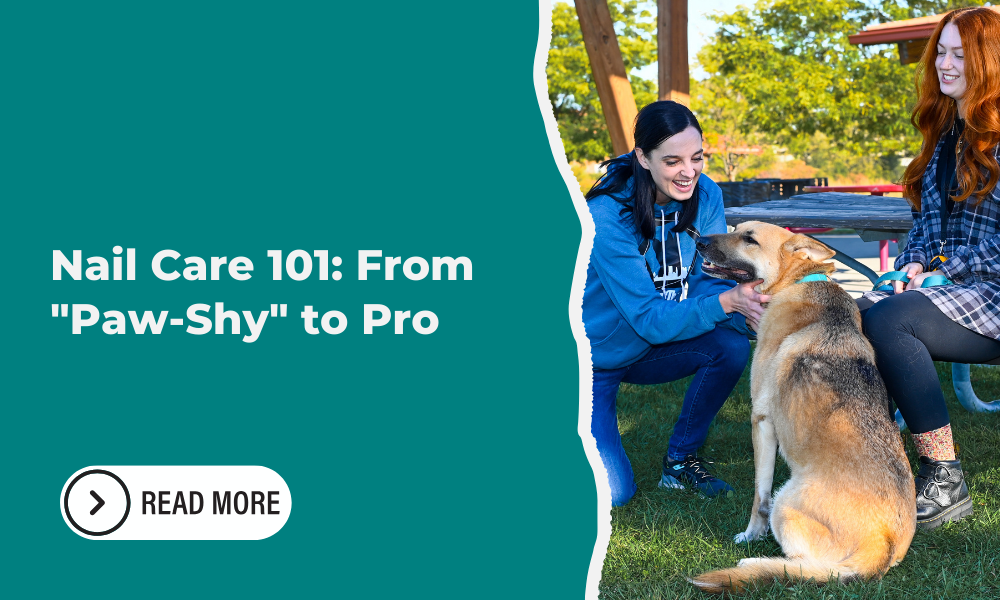
Nail Care 101: From "Paw-Shy" to Pro
Taking the Lead • February 13, 2026
The Training Blueprint
Success starts with leash control. Keep your dog anchored on a leash during grooming sessions to prevent them from "self-resetting" by running away. Once you have their focus, use mealtime training to your advantage. Use their daily kibble or high-value treats to create a positive association with their paws being touched.
We want to turn foot handling into a "win" for the dog by offering a treat before you let go of the foot. You can progress through three phases of conditioning:
- Positive-First: Treat, then touch.
- Simultaneous: Treat while touching.
- Negative-First: Touch first, then immediately follow with a reward.
Precision and Patience
As your dog gets comfortable, move to toe isolation. Gently hold an individual toe to desensitize them to the specific pressure of the clippers. When you’re ready to trim, ensure you are using a proper angle to avoid the quick (the blood vessel). Always keep styptic powder nearby just in case—it happens to the best of us, and having it ready prevents a small nick from becoming a big drama.
If your dog shows high resistance, take a break and end on a positive note. Maintaining a patient approach ensures that your dog learns to trust the process rather than fearing the tool.
Does your dog hide as soon as they see the clippers, or are they a pro at paw-handling? Let us know your biggest grooming challenge!
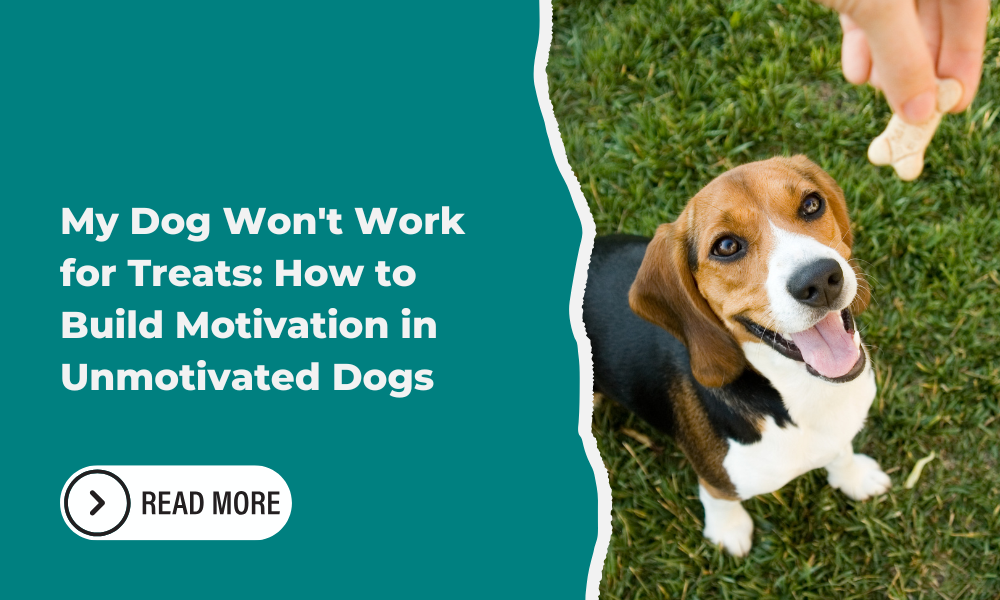
Discover how to unlock your dog's drive using high-value rewards, interactive play, and environment-based motivation with expert tips from Taking the Lead.
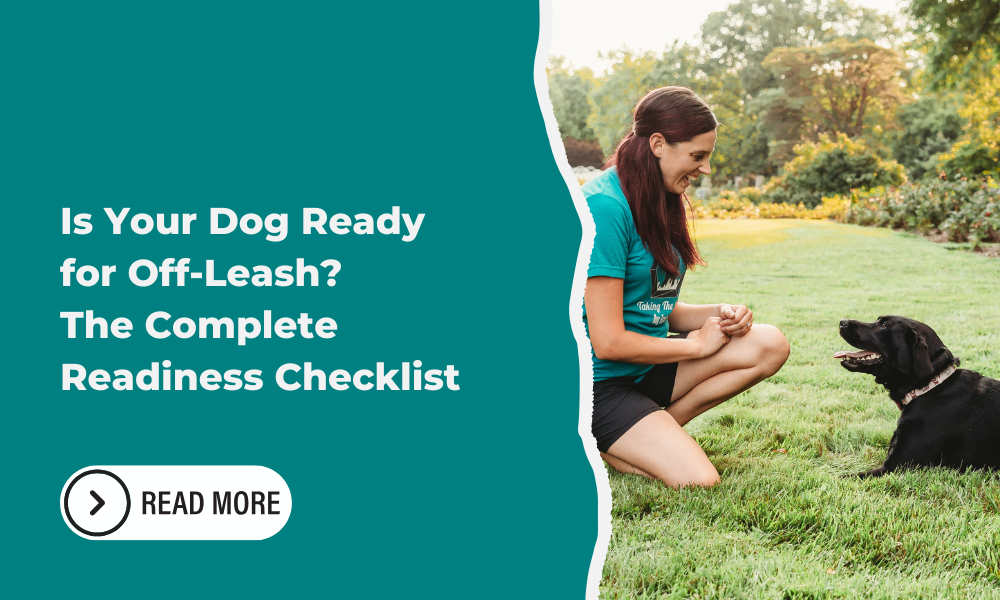
Is your dog truly ready for off-leash freedom? Master the 6 essential safety skills and follow our 4-step roadmap to train a reliable recall before unclipping the leash.
Over 80% of dogs develop dental disease by age 3. Learn the hidden signs of canine periodontitis, how it impacts major organs, and actionable at-home care tips to protect your dog's health.
Share On: