Preventing Dog Fights & What To Do If One Happens
Taking the Lead • February 20, 2026
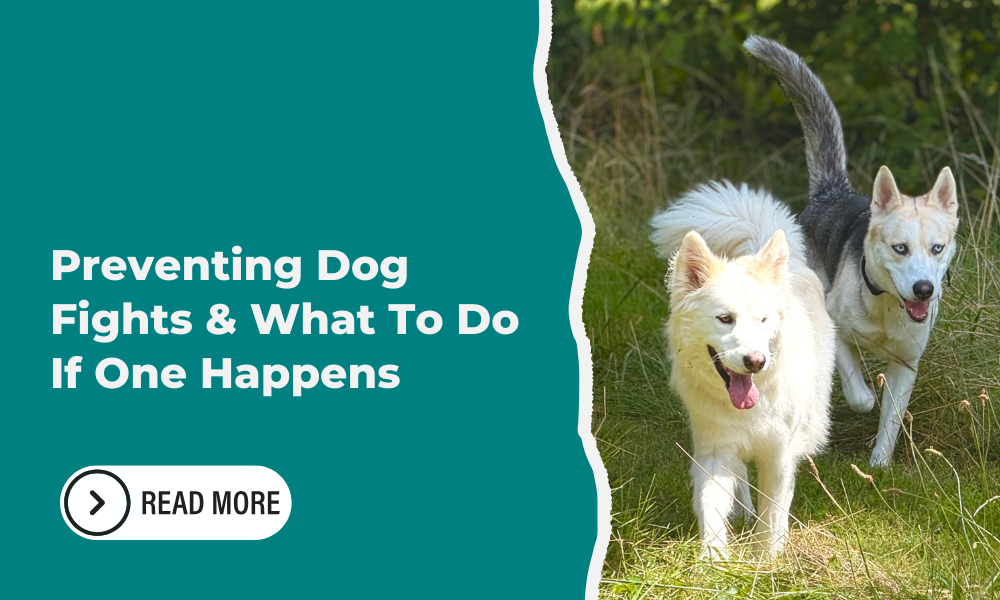
Let’s talk about prevention first, and then the safest way to intervene if a fight breaks out.
Prevention Is Always the Goal
Most dog fights don’t “come out of nowhere.” There are usually warning signs:
- Stiff body posture
- Hard staring
- Growling or low rumbling
- Snapping or air biting
- Raised hackles
If you notice tension rising, intervene early. Call your dog away, create space, and avoid forcing interactions.
Other prevention tips:
- Supervise play, especially with new dogs
- Avoid high-value items (toys, bones, food, affection) around multiple dogs
- Advocate for your dog — don’t let uncomfortable interactions continue
- Keep dogs leashed in unfamiliar or high-distraction environments
🚨 If a Dog Fight Happens: Stay Calm & Stay Smart
If you ever find yourself in the middle of a dog fight, remember these critical safety rules:
❌ NEVER Put Your Hands In
Do not grab collars.
Do not reach between mouths.
You are very likely to get bitten — even by your own dog. In that moment, they are reacting on instinct.
Safer Ways to Break Up a Fight
1. Use the Leashes
If the dogs are on leash, pull them away from each other using the leash. Create distance quickly and firmly.
2. The “Wheelbarrow” Method
If possible, each handler should grab their dog from below the hips (not near the head), lifting the back legs and pulling backward like a wheelbarrow.
Move backward in a steady motion to separate them. This keeps your hands away from teeth and reduces the dog’s ability to turn and bite.
⚠️ Important: Only attempt this if you are physically able and it is safe to do so.
3. Disrupt the Tension
Sometimes you can interrupt a fight before it escalates by:
- Making a loud, startling noise
- Clapping or yelling firmly
- Using an air horn (if available)
- Creating a physical barrier (chair, trash can lid, large object) between the dogs
- The goal is to interrupt focus and create space.
After the Fight
Once separated:
- Secure both dogs immediately
- Check for injuries (even small punctures can be serious)
- Seek veterinary care if needed
- Avoid putting the dogs right back together
Even if things seem “fine,” tension may still be present.
Dog fights are stressful, but your safety comes first. Never risk your hands. Never grab collars.
The best approach is prevention, supervision, and proper training to reduce tension and reactivity before it escalates. If your dog has shown signs of aggression or reactivity, don’t wait for a fight to happen. Get guidance, build structure, and create safer interactions for everyone involved. 🐾
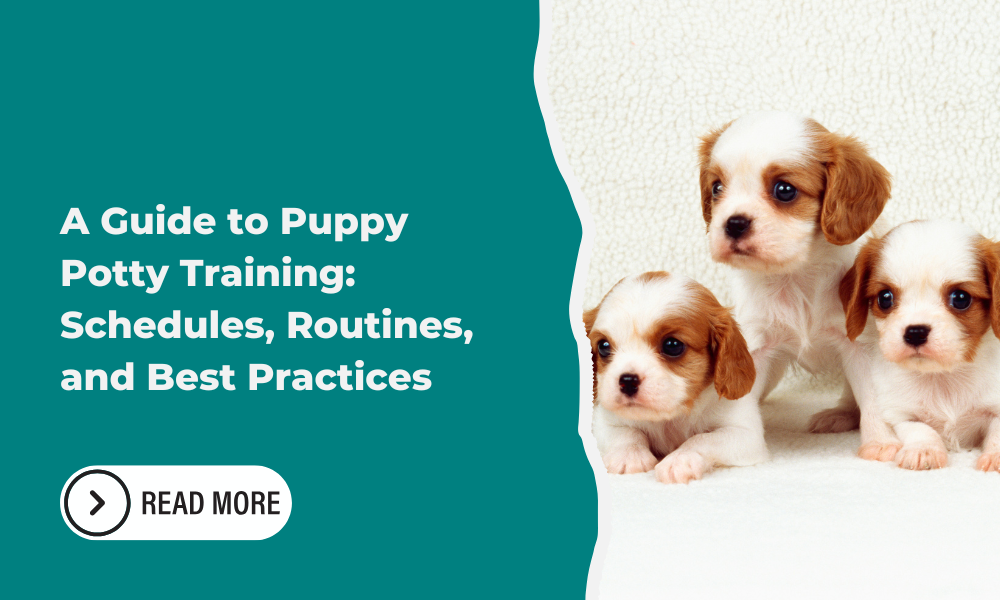
Master puppy potty training with this complete guide to age-based schedules, crate routines, accident cleanup, and key pitfall fixes for fast, stress-free results.
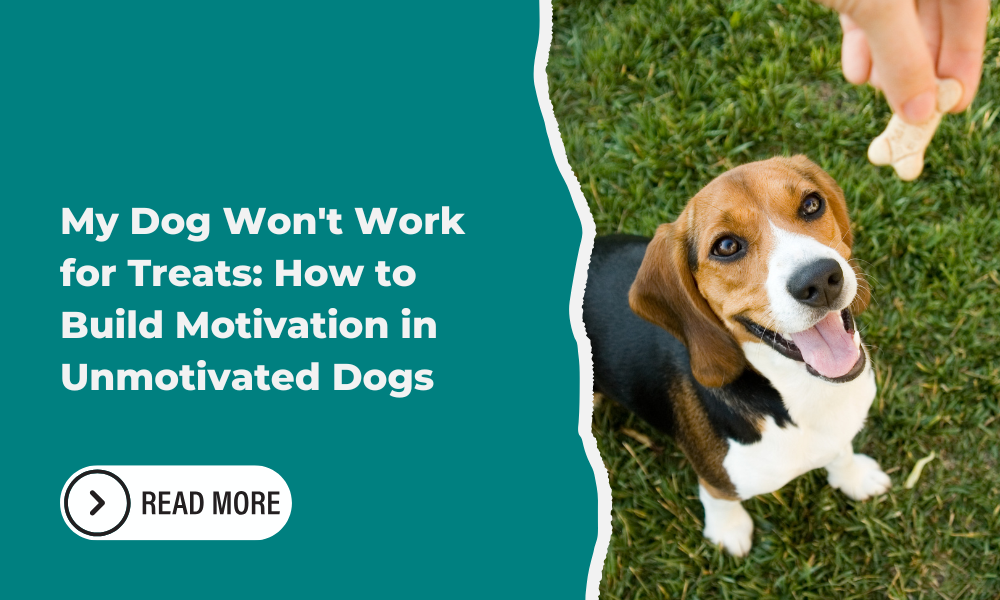
Discover how to unlock your dog's drive using high-value rewards, interactive play, and environment-based motivation with expert tips from Taking the Lead.
Is your dog truly ready for off-leash freedom? Master the 6 essential safety skills and follow our 4-step roadmap to train a reliable recall before unclipping the leash.
Share On: