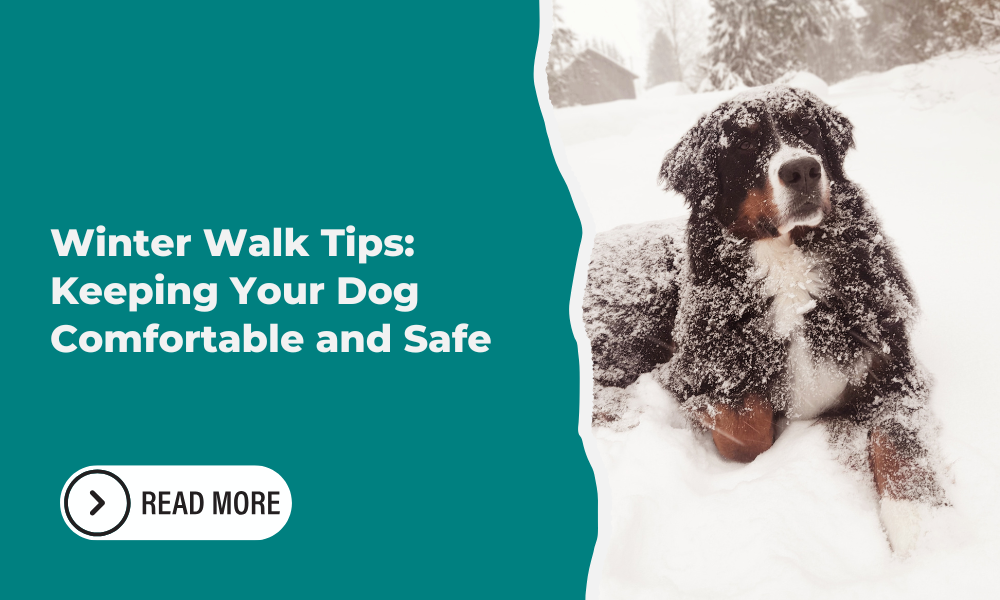
Winter Walk Tips: Keeping Your Dog Comfortable and Safe
Taking the Lead • December 19, 2025
1. Protect Their Paws
Snow, ice, and road salt can irritate and even cut your dog’s paws. Dog booties are ideal for sensitive paws, but if your dog won’t tolerate them, apply a paw balm or petroleum jelly before heading out. After your walk, rinse and dry their paws to remove salt, chemicals, and ice. Check for cracks or bleeding, which may need attention.
2. Keep Walks Short and Frequent
Cold temperatures affect dogs differently depending on their size, breed, and coat. Small, short-haired, senior, or very young dogs may get cold quickly. Shorter, more frequent walks are safer than long exposure to freezing weather. Listen to your dog—if they start shivering or lifting paws, it’s time to head indoors.
3. Dress for the Weather
Dog sweaters, jackets, or even fleece-lined coats help keep your pup warm, especially for breeds not naturally suited to winter. Make sure the clothing fits snugly but allows your dog to move comfortably. For extremely cold days, consider layering for extra warmth.
4. Stay Visible
Winter days are shorter and visibility can be low due to early sunsets or snowfall. Use reflective collars, leashes, or LED lights to keep both you and your dog visible to cars and other pedestrians.
5. Monitor for Signs of Cold or Hypothermia
Shivering, slowing down, whining, or trying to lift paws off the ground are signs your dog may be too cold. Hypothermia can be serious—if your dog appears lethargic or disoriented, get them inside and warm them slowly with blankets.
6. Mind Icy Areas
Avoid walking on frozen ponds, lakes, or rivers, as ice may not be strong enough to support your dog. Be cautious of slippery sidewalks to prevent injuries to both you and your dog.
7. Hydrate and Fuel Up
Even in winter, dogs need plenty of water. Snow is not a substitute for fresh water and can upset their stomach. A slightly higher-calorie diet or an extra treat can help provide energy to stay warm during brisk winter walks.
8. Grooming and Coat Care
Keep your dog’s coat well-groomed. Matted fur can trap moisture and make your dog feel colder. Trim hair around paw pads to prevent ice balls from forming.
With these tips, winter walks can be safe, fun, and a bonding experience for you and your dog. Embrace the snow and enjoy the season while keeping your pup cozy and protected!
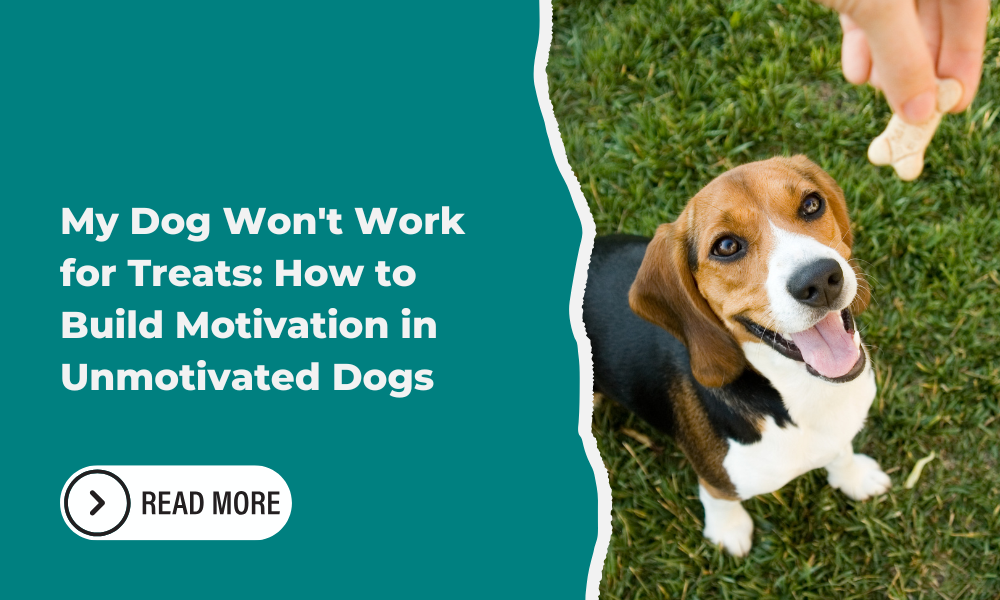
Discover how to unlock your dog's drive using high-value rewards, interactive play, and environment-based motivation with expert tips from Taking the Lead.
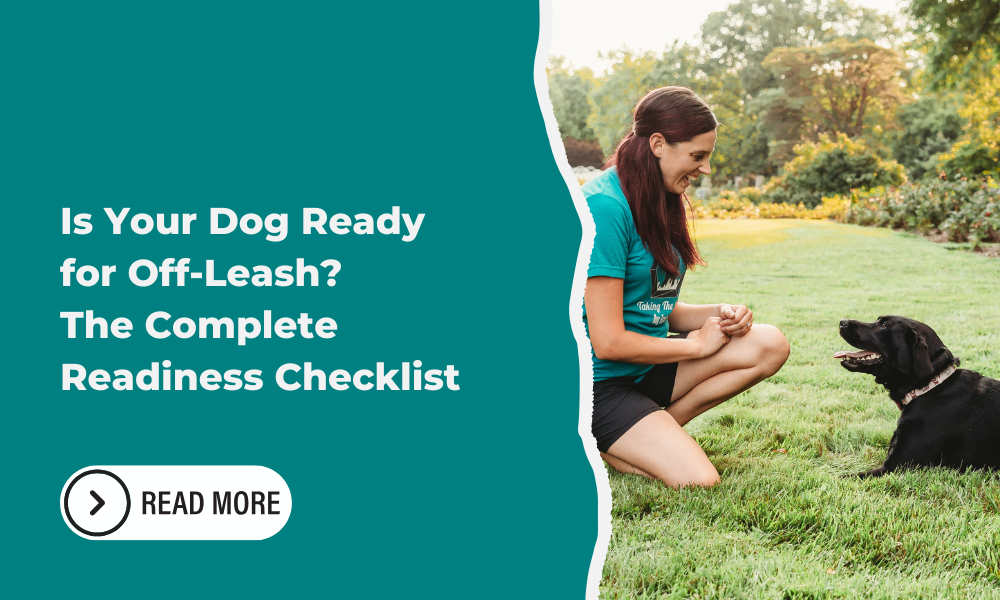
Is your dog truly ready for off-leash freedom? Master the 6 essential safety skills and follow our 4-step roadmap to train a reliable recall before unclipping the leash.
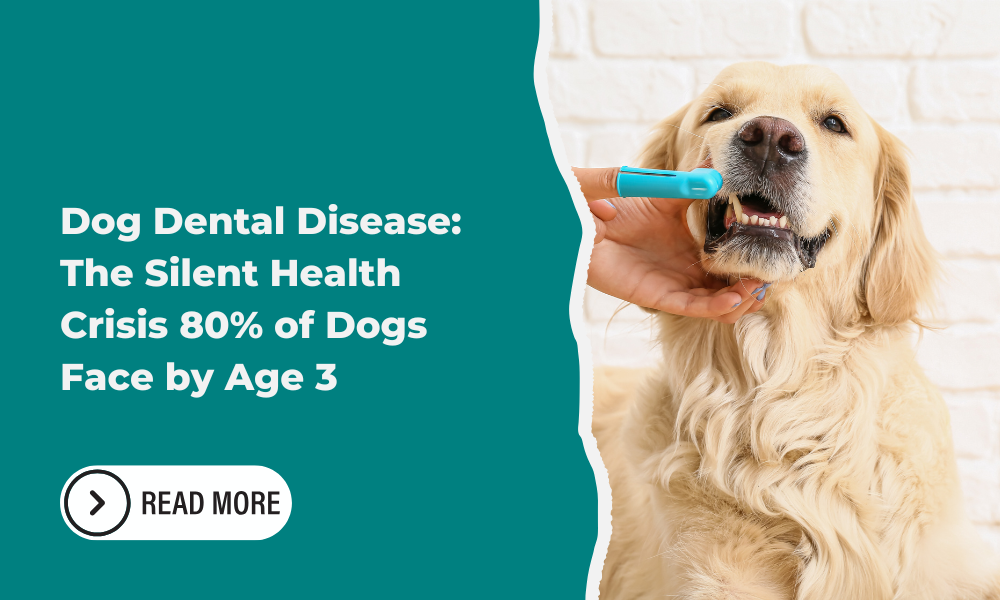
Over 80% of dogs develop dental disease by age 3. Learn the hidden signs of canine periodontitis, how it impacts major organs, and actionable at-home care tips to protect your dog's health.
Share On: