
Dog Training Resolutions Every Dog Owner Should Make (and Keep)
Taking the Lead • January 9, 2026

Here are some dog training resolutions every dog owner should make—and actually keep:
1. Commit to Consistent Training
Consistency is key. Short, daily training sessions—just 5–10 minutes—can make a bigger impact than occasional, long sessions. Pick a routine that works for your schedule and stick with it. During your dog’s meal time is a perfect option.
2. Focus on Positive Reinforcement
Rewarding good behavior with treats, praise, or play builds trust and encourages your dog to repeat those actions.
3. Prioritize Leash Manners
Walking your dog should be enjoyable for both of you. Set a goal to practice loose-leash walking regularly this year, turning chaotic walks into calm, controlled adventures.
4. Address Reactivity and Anxiety Early
If your dog struggles with fear, barking, or overexcitement, tackle it now. Early intervention prevents behaviors from becoming habits, making life easier for you and your dog.
5. Make Mental and Physical Exercise a Priority
Training isn’t just about obedience—it’s also about stimulation. Puzzle toys, scent games, and short training drills keep your dog’s mind active and reduce boredom-related behaviors.
6. Celebrate Progress, Not Perfection
Training is a journey, and small wins matter. Celebrate every improvement, no matter how minor—it keeps both you and your dog motivated.
Need Help Reaching Your Dog Training Goals?
We know that some training challenges can feel overwhelming—but you don’t have to do it alone! At Taking the Lead, our professional trainers are here to guide you and your dog every step of the way.
This year, make your dog training resolutions realistic, consistent, and supported. With patience, structure, and the right guidance, 2026 can be your dog’s best year yet!

Over 80% of dogs develop dental disease by age 3. Learn the hidden signs of canine periodontitis, how it impacts major organs, and actionable at-home care tips to protect your dog's health.

Protect your new dog with this room-by-room home proofing guide. Learn essential safety tips to secure electrical cords, toxic plants, trash cans, and common household hazards to keep your pup safe and happy.
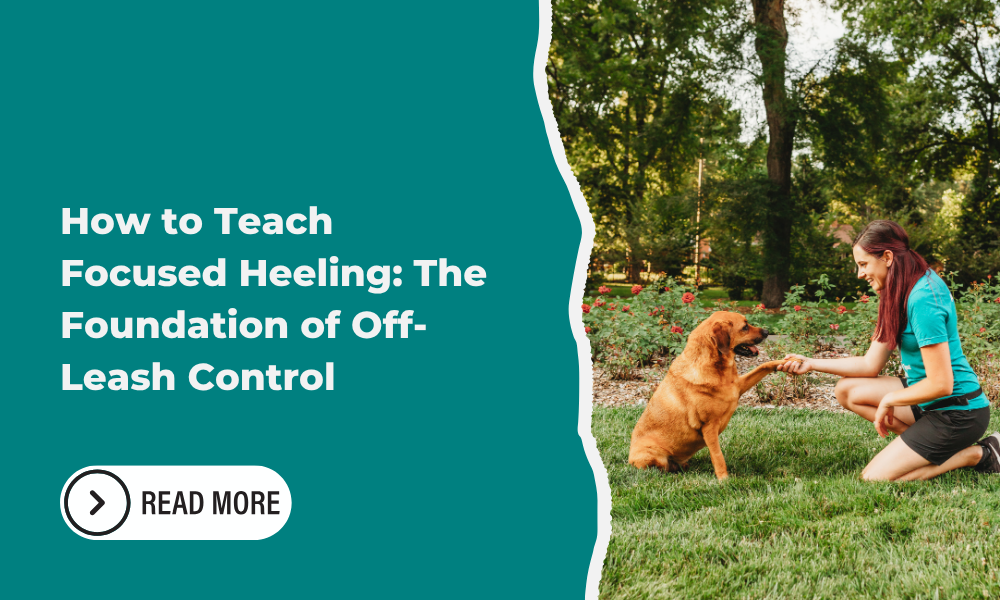
Unlock off-leash control with focused heeling. Learn the difference between loose-leash walking and high-focus heeling, plus step-by-step training tips to build laser-focused eye contact in distracting environments.
Share On: