
Our Favorite Training Equipment: Tools We Can’t Live Without
Taking the Lead • October 24, 2025
1. Treat Pouch
Keep treats handy for rewarding good behavior on the spot. Check it out here.
2. Long Lines
Perfect for recall and off-leash training:
Waterproof 30 ft: See it here
Cloth 30 ft: See it here
3. Leashes
Durable leashes help maintain control during walks:
Leather Leash: Shop here
4. Comfortable Beds & Cots
Provide your dog a safe, comfortable space to relax:
Fabric Cot: Check it out
Industrial Kuranda Cot: Shop here
5. Kennels & Crates
From everyday use to training or travel, having a secure kennel or crate is essential:
Ruffland Kennel: Shop here
Affordable Plastic Crate: See it here
Heavy Duty Options:
KBC Collapsible Crate: Check it out
Impact Crate: Shop here
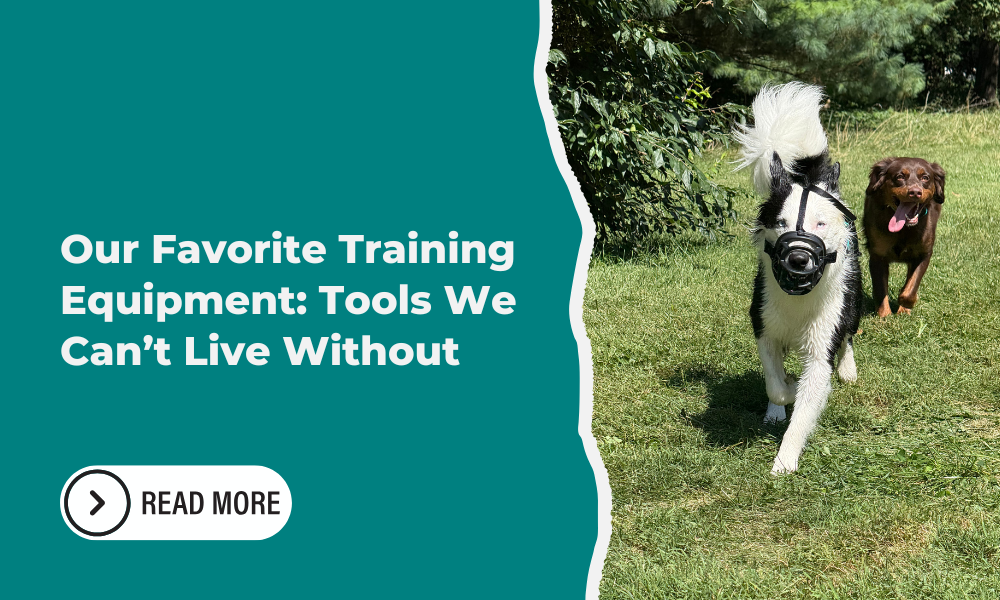
6. Muzzles
For safety and peace of mind during training:
Baskerville Muzzle: See it here
Choosing the right equipment makes training more effective and keeps both you and your dog safe and comfortable. These are our go-to tools that we recommend to every dog owner, whether you’re just starting out or reinforcing advanced skills.

Is your dog truly ready for off-leash freedom? Master the 6 essential safety skills and follow our 4-step roadmap to train a reliable recall before unclipping the leash.

Over 80% of dogs develop dental disease by age 3. Learn the hidden signs of canine periodontitis, how it impacts major organs, and actionable at-home care tips to protect your dog's health.

Protect your new dog with this room-by-room home proofing guide. Learn essential safety tips to secure electrical cords, toxic plants, trash cans, and common household hazards to keep your pup safe and happy.
Share On: