
The Most Common Training Mistakes Dog Owners Make—and How to Fix Them
Taking the Lead • January 16, 2026
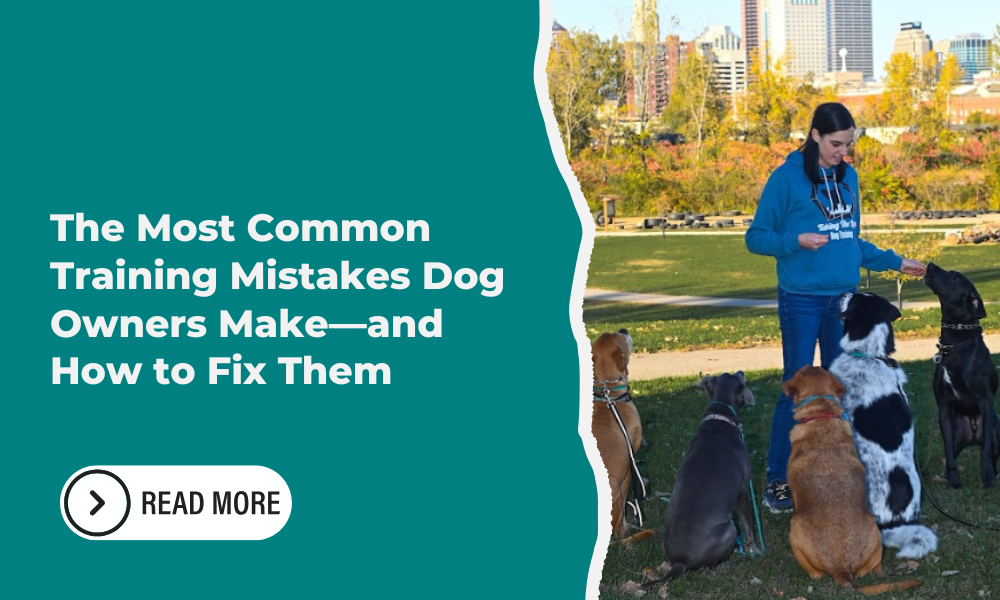
Training your dog can be one of the most rewarding experiences as a pet parent. A well-trained dog is not only easier to manage but also happier, healthier, and more confident. However, many dog owners unknowingly make mistakes during training that slow progress or even create new behavioral challenges. Let’s break down the most common training mistakes—and, more importantly, how to fix them.
1. Inconsistency
The Mistake: Many dog owners struggle with being consistent. For example, you might allow your dog on the couch sometimes but scold them other times, or reward a behavior one day and ignore it the next. Dogs thrive on clear, predictable rules, and inconsistency can be confusing.
How to Fix It:
- Establish clear rules for your dog and stick to them.
- Ensure everyone in your household is on the same page regarding commands, boundaries, and expectations.
- Use a consistent set of cues and rewards for training.
2. Skipping Socialization
The Mistake: Many dog owners underestimate the importance of socialization, especially during puppyhood. Without exposure to different people, dogs, sounds, and environments, they may develop fear, anxiety, or aggression.
How to Fix It:
- Introduce your dog gradually to a variety of people, dogs, and environments in a controlled, positive way.
- Use treats and praise to create positive associations with new experiences.
- Attend puppy classes or controlled group activities for structured socialization.
3. Training for Too Long or Too Short
The Mistake: Training sessions that are too long can overwhelm your dog, while sessions that are too short may not reinforce learning enough. Both can lead to frustration for you and your dog.
How to Fix It:
- Keep training sessions short but frequent—10 to 20 minutes a few times a day is usually ideal.
- End each session on a positive note, even if progress is small, to keep your dog motivated.
4. Failing to Address Underlying Issues
The Mistake: Sometimes, problem behaviors are symptoms of underlying issues, such as anxiety, fear, or medical problems. Simply trying to train the behavior away without understanding the root cause often fails.
How to Fix It:
- Observe your dog and look for patterns in their behavior.
- Consult a professional trainer or veterinarian if a behavior is persistent, aggressive, or worrisome.
- Addressing the underlying cause first makes training more effective and safer.
5. Not Practicing in Real-Life Situations
The Mistake: Dogs may perform perfectly in a calm, quiet home but fail when faced with distractions outside. Some owners assume that training at home is enough.
How to Fix It:
- Gradually introduce distractions and new environments during training.
- Practice commands during walks.
- Reward your dog for maintaining focus and following commands in real-life situations.
Final Thoughts
Training a dog is a journey, and mistakes are part of the learning process—for both you and your dog. By avoiding these common pitfalls and adopting a consistent, positive, and patient approach, you can create a strong bond with your dog and enjoy the benefits of a well-behaved companion.
If you’re struggling with training or behavioral challenges, working with a professional trainer like Taking the Lead Dog Training can make a huge difference. Even small adjustments to your approach can lead to big improvements—and a happier dog for life.

Over 80% of dogs develop dental disease by age 3. Learn the hidden signs of canine periodontitis, how it impacts major organs, and actionable at-home care tips to protect your dog's health.

Protect your new dog with this room-by-room home proofing guide. Learn essential safety tips to secure electrical cords, toxic plants, trash cans, and common household hazards to keep your pup safe and happy.
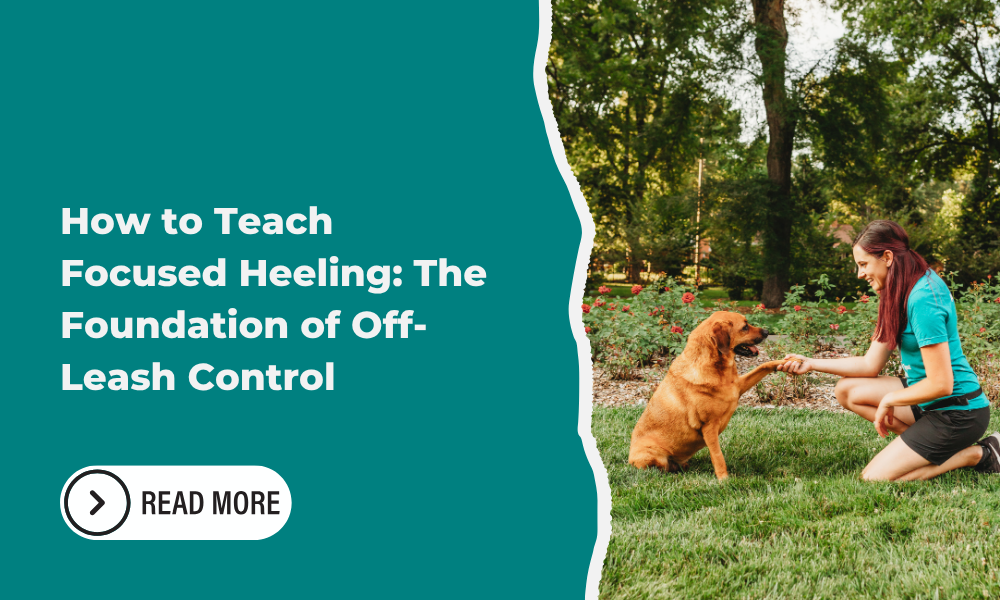
Unlock off-leash control with focused heeling. Learn the difference between loose-leash walking and high-focus heeling, plus step-by-step training tips to build laser-focused eye contact in distracting environments.
Share On: