How Much Daily Exercise Does Your Dog Really Need?
Taking the Lead • October 17, 2025

Every dog needs regular exercise to stay healthy, happy, and well-behaved — but the right amount varies depending on your dog’s age, breed, and overall health. Whether you’re caring for a curious puppy, a busy adult, or a relaxed senior, finding the right balance of activity will keep your dog in great shape physically and mentally.
Puppies: Short Bursts of Fun and Energy
Puppies are full of energy and excitement — and sometimes, it feels like they have no “off switch.” You may notice those playful “zoomies” where your puppy dashes around the house like a tiny tornado. These bursts are normal and show your pup’s need to release energy.
Because puppies are still developing, several short walks or play sessions throughout the day are much better than one long outing. Too much exercise at once can be hard on their growing bones and joints.
Tips for Puppy Exercise:
- Keep sessions short — about 5 to 10 minutes several times a day.
- Include gentle games like fetch, tug, or recall practice.
- Combine physical activity with mental stimulation — training sessions, puzzle toys, and social playtime all count!
- Every puppy has different energy levels, so pay attention to your dog’s behavior. When they start to slow down or lose focus, it’s time for rest and recovery.
Adult Dogs: Building a Routine That Fits Their Breed and Lifestyle
As your dog matures, their exercise needs will depend heavily on their breed and energy level. Working or sporting breeds — like German Shepherds, Retrievers, and Border Collies — often require more physical and mental activity to stay balanced. Breeds with lower energy, such as Bulldogs or Shih Tzus, may prefer a slower pace.
Most adult dogs benefit from 30 minutes to 2 hours of daily activity, which can include:
- Brisk walks or runs
- Games of fetch or tug-of-war
- Structured obedience or agility training
- Interactive playtime and socialization
If your dog has health concerns like hip dysplasia, joint pain, or heart issues, consult your vet before making any major changes to their routine. The goal is to keep your dog active in a way that supports their long-term health.
Senior Dogs: Gentle Movement for a Healthy Life
Even as dogs grow older, regular exercise remains important for maintaining strength, mobility, and a positive mood. Senior dogs may not be able to move as quickly as they once did, but keeping them active helps manage weight and prevent stiffness.
Tips for Senior Exercise:
- Choose low-impact options like short walks or gentle games.
- Keep sessions short and allow plenty of breaks.
- Monitor for signs of tiredness, limping, or heavy breathing.
- Your senior dog knows their limits, and as their owner, you’ll notice when it’s time to slow things down. Consistent, gentle movement keeps them feeling their best.
Exercise is more than just physical activity — it’s an essential part of your dog’s emotional and mental well-being. If you’re unsure how much activity your dog needs, talk to your veterinarian or your trainer. They can guide you based on your dog’s breed, age, and health.
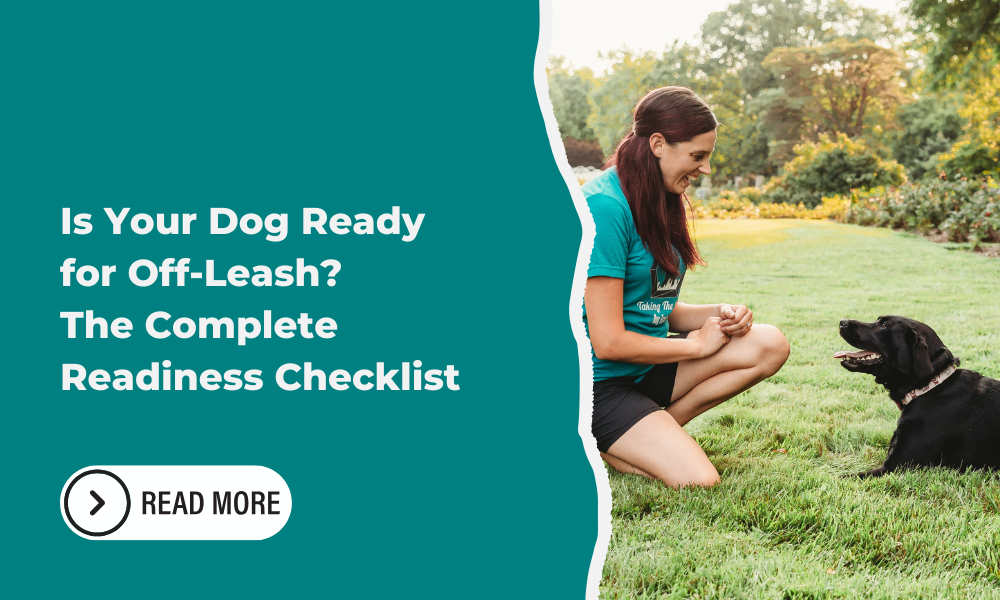
Is your dog truly ready for off-leash freedom? Master the 6 essential safety skills and follow our 4-step roadmap to train a reliable recall before unclipping the leash.

Over 80% of dogs develop dental disease by age 3. Learn the hidden signs of canine periodontitis, how it impacts major organs, and actionable at-home care tips to protect your dog's health.

Protect your new dog with this room-by-room home proofing guide. Learn essential safety tips to secure electrical cords, toxic plants, trash cans, and common household hazards to keep your pup safe and happy.
Share On: