Why the Daily Walk is Your Dog’s Greatest Training Tool
Taking the Lead • April 3, 2026

For many of us, the daily walk is a routine chore. But for our dogs, it’s the highlight of their existence—a sensory explosion of news, smells, and social cues. While a simple stroll is great, taking the lead during these outings does more than just burn off energy; it builds a foundation of trust and safety, especially for dogs facing extra hurdles.
Navigating the World with "Sensitive" Pups
Not every dog is a social butterfly. For those who struggle with the world around them, the walk requires a bit of strategy.
- Respect the Bubble: If your dog is reactive, think of yourself as their personal bodyguard. The goal is to keep them below their "threshold"—the point where they lose their cool. By maintaining a comfortable distance from triggers, you show your dog that you’ve got the situation under control.
- The Power of Redirection: A walk is a conversation. When a distraction appears, gently guide their focus back to you. Using simple cues or a quick hand-touch transforms a potential outburst into a successful bonding moment.
- Patience for the Fearful: For timid dogs, the world is a loud, scary place. Taking the lead here means being a source of calm. Celebrate the tiny victories—sniffing a new mailbox or passing a stranger without hiding—and never rush the process.
Why Your Leadership Matters
When you "take the lead," you aren't being a boss; you’re being a guide. Dogs thrive on consistency. If you remain calm and composed, your dog learns that they don’t have to worry about the environment because you are handling the navigation. This reduces anxiety and makes the walk a collaborative effort rather than a chaotic struggle.
Training is a Lifestyle, Not a Destination
It’s helpful to think of dog training like a fitness routine. You wouldn't expect to stay in shape if you went to the gym for one month and then never returned. Manners and confidence are muscles that need regular exercise.
Pro Tip:
If your daily practice starts feeling like a burden, switch it up! Training should be the most enjoyable part of your day. If it’s fun for you, it’s fun for them.
By staying consistent and lead-focused, you aren't just walking the dog—you’re sharpening their mind and deepening your bond, one step at a time.
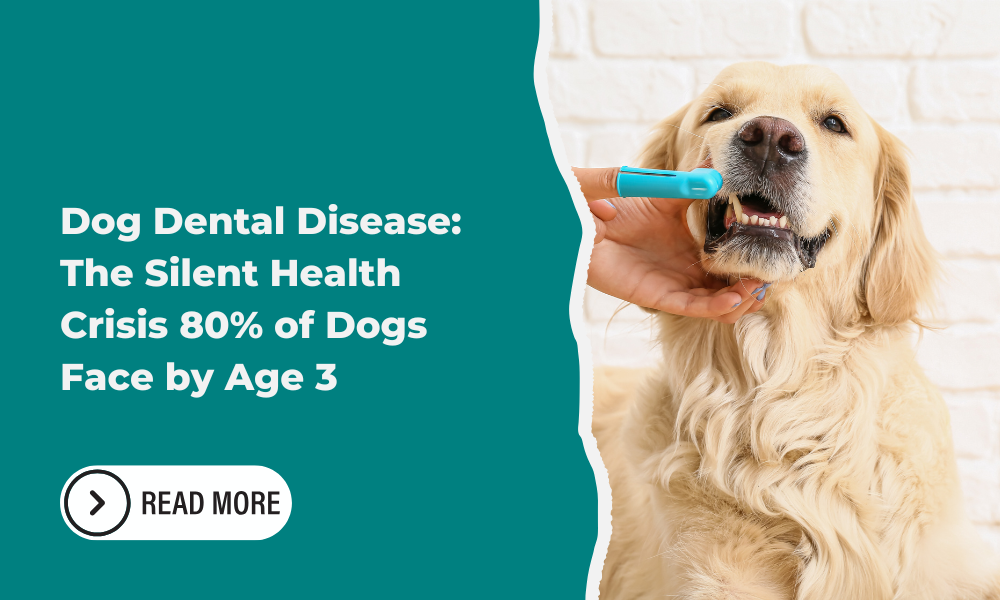
Over 80% of dogs develop dental disease by age 3. Learn the hidden signs of canine periodontitis, how it impacts major organs, and actionable at-home care tips to protect your dog's health.

Protect your new dog with this room-by-room home proofing guide. Learn essential safety tips to secure electrical cords, toxic plants, trash cans, and common household hazards to keep your pup safe and happy.
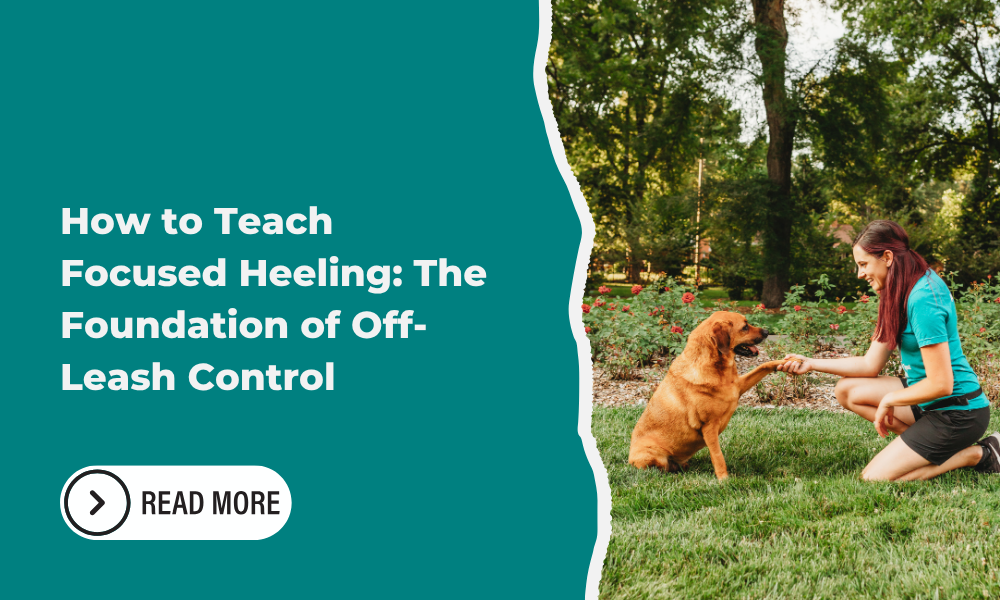
Unlock off-leash control with focused heeling. Learn the difference between loose-leash walking and high-focus heeling, plus step-by-step training tips to build laser-focused eye contact in distracting environments.
Share On: