
Puppy Socializing: How to Raise a Confident, Well-Adjusted Dog
Taking the Lead • November 14, 2025

When raising a young puppy—especially under six months old—there are three key areas every new dog parent should focus on: potty training, crate training, and socialization. While potty and crate training help with everyday routines and safety, socialization is what shapes your puppy into a confident, happy adult dog.
What Socialization Really Means
Socialization isn’t just about meeting people or other dogs. It’s about introducing your puppy to all the sights, sounds, and experiences they’ll encounter in daily life and making those encounters positive. A well-socialized puppy is less likely to develop fears, anxiety, or reactive behaviors later in life.
How to Socialize Your Puppy Safely
1. Use a Weekly Puppy Checklist
Introduce your puppy to new surfaces, environments, and objects gradually. Examples include grass, wood, concrete, gravel, sidewalks, buses, storm drains, and cars. Each week, add new experiences so your puppy grows comfortable with a variety of situations.
2. Introduce People Carefully
Let your puppy meet one person at a time, ideally someone calm who allows the puppy to approach at their own pace. Avoid overwhelming your puppy with crowds, loud voices, or rapid movements. Positive interactions are key—always reward calm and curious behavior.
3. Socialize With Safe Dogs
Begin with calm, vaccinated dogs, such as friends’ or family’s pets. Observe body language and ensure play stays friendly. Dog parks are generally not recommended for puppies under six months, as a single negative interaction can undo weeks of positive experiences.
4. Keep Experiences Short and Positive
Puppies have limited attention spans and can become stressed if experiences last too long. Short, frequent, positive encounters help your puppy build trust, confidence, and curiosity without fear.
The Benefits of Early Socialization
Puppies who are properly socialized grow up to be adaptable, confident dogs. They are less likely to develop fear-based behaviors and are more comfortable meeting new people, other dogs, and navigating the world around them. By investing time in socialization during these early months, you’re setting your puppy up for a lifetime of success.

Master puppy potty training with this complete guide to age-based schedules, crate routines, accident cleanup, and key pitfall fixes for fast, stress-free results.
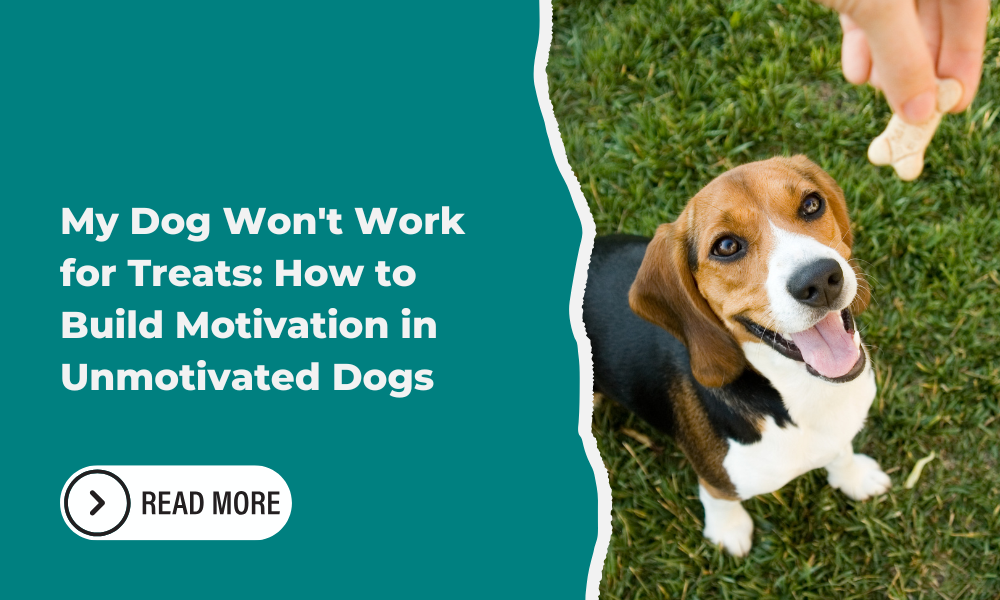
Discover how to unlock your dog's drive using high-value rewards, interactive play, and environment-based motivation with expert tips from Taking the Lead.
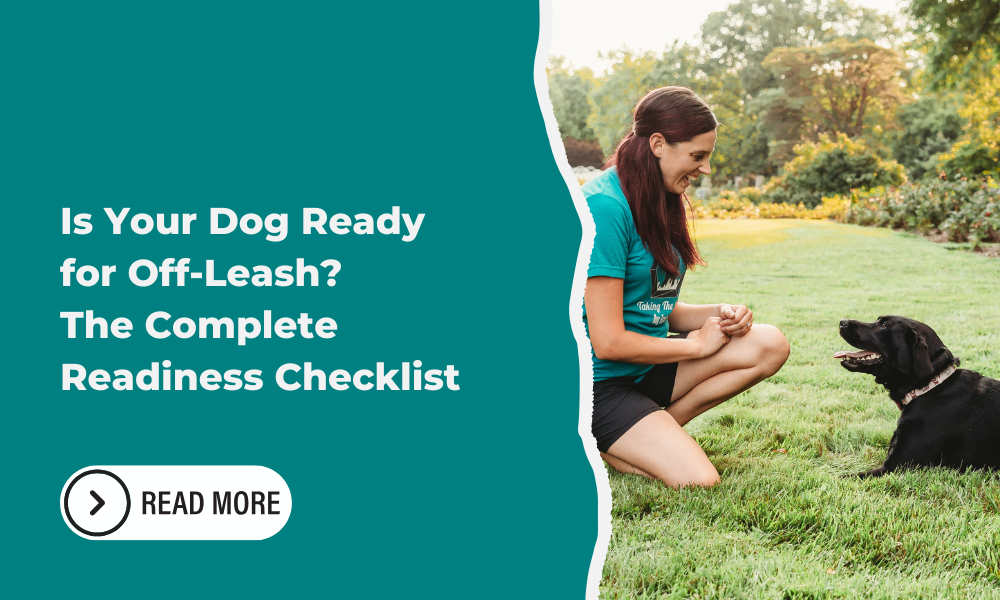
Is your dog truly ready for off-leash freedom? Master the 6 essential safety skills and follow our 4-step roadmap to train a reliable recall before unclipping the leash.
Share On: