My Dog Won't Work for Treats: How to Build Motivation in Unmotivated Dogs
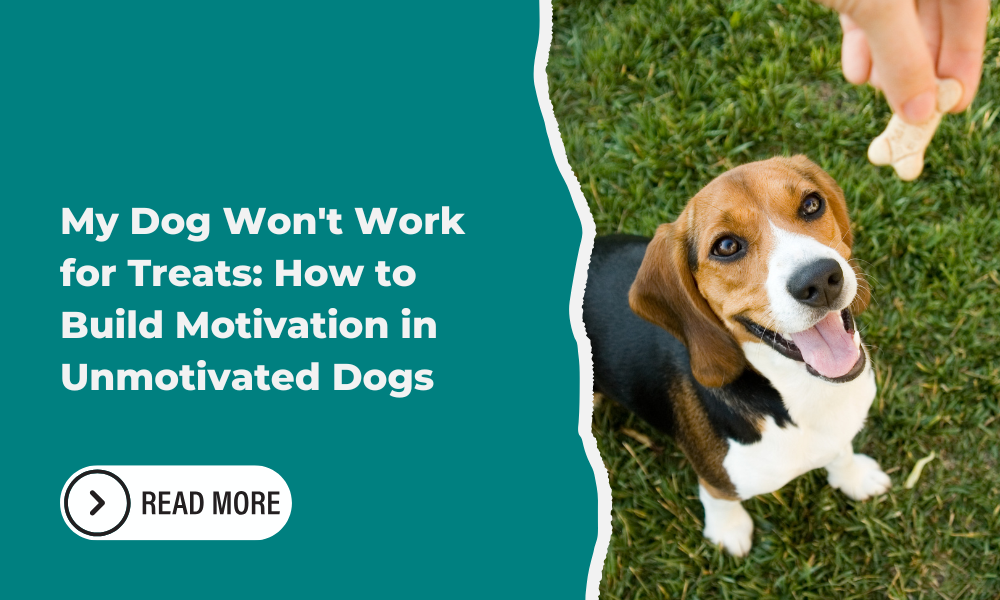
When a dog turns their nose up at a piece of chicken during training, it’s easy to assume they’re stubborn, untrainable, or simply "unmotivated." But true indifference in dogs is rare. More often than not, a dog that won't work for treats isn't lacking motivation—they just haven't been offered a high-value currency yet, or they're overwhelmed by their surroundings.
Building drive in an unmotivated dog isn't about forcing compliance; it's about unlocking what genuinely drives them.
1. Map Out the Motivation Hierarchy
Every dog has a personal ranking of rewards. A piece of dry kibble might work inside a quiet living room, but out in the backyard, it pales in comparison to the smell of a squirrel.
To boost drive, identify where your dog's preferences lie:
- Low-Value: Dry kibble, basic dog biscuits.
- Medium-Value: Commercial training bites, freeze-dried meat.
- High-Value: Real cheese, boiled chicken, hot dogs, or wet food delivered via a squeeze tube.
If treats fail, stop using low-value options in high-distraction environments. Match the reward value to the difficulty of the task.
2. Build Food Drive
Food drive isn't entirely genetic—it can be cultivated through daily habits:
- Ditch the bowl: Feed your dog’s daily meals through training sessions, puzzle toys, or hand-feeding. When food is freely available all day in a bowl, its value drops.
- Make food move: Dogs are predators. A stationary treat can be boring, but tossing a treat across the floor so they can chase it instantly elevates its value.
3. Harness Toys and Play
Treats aren't the only form of payment. For many dogs, interactive play taps into natural predatory motor patterns that food cannot reach.
- Use a long tug toy to initiate a game of chase and tug right after they perform a behavior.
- Keep "training-only" toys hidden away so they maintain a high level of novelty and excitement.
4. Tap Into Environmental Rewards
Sometimes, the environment itself is the ultimate reward. If your dog desperately wants to sniff a tree, greet a person, or go through a doorway, use that real-world access as the payout.
- Ask for a simple "Sit" before opening the back door or releasing them to sniff a favorite spot (Premack Principle).
5. Leave Them Wanting More
The fastest way to kill drive is to train until your dog gets tired or bored. Always end your training sessions while your dog is still excited and engaged. Stopping on a high note keeps them eager for the next session.
6. Rule Out Underlying Health Issues
A sudden drop in motivation—or a persistent refusal to eat—can be a medical red flag. Dental pain, nausea, thyroid issues, or joint discomfort can all make a dog reluctant to work. If your dog is consistently food-averse or lethargic, consult your veterinarian before adjusting your training plan.
Finding the secret key to your dog's motivation takes patience, observation, and experimentation.
Taking the Lead trainers are experts at finding what makes each dog tick. If you're struggling to engage your dog, reach out to our team to build a customized training plan that turns "unmotivated" into eager to learn.


Share On: