Progress Isn’t a Straight Line (And That’s Okay)
Taking the Lead • March 13, 2026

Look Back to See Forward
The most effective way to measure your progress isn't by comparing your dog to the "perfect" pup at the park; it’s by looking at your own starting point.
Think back to Day One. Maybe back then, your dog couldn't sit for three seconds without jumping. Now, they can hold it for thirty. That’s a win! Progress is found in the "small" shifts:
- A faster response to their name.
- A looser leash during walks.
- That split second where they look at a squirrel but choose to look back at you instead.
The "Lifestyle" Shift
Here is a thought for every dog owner: Is your training a "project" with an end date, or is it the language you speak with your dog every day?
It’s tempting to think of training as a course you "complete"—like a high school diploma you hang on the wall and never think about again. But dogs aren't machines; they are living, breathing learners. Without constant practice and the occasional refresher course, those skills can get rusty.
Training isn't a "one-and-done" event; it’s a lifestyle. It’s the daily repetition, the consistent boundaries, and the commitment to keep learning together that builds a lifelong bond.
Think of it like going to the gym. You don’t get fit once and stay that way forever; you maintain it. When you revisit the basics or join a new class, you aren't "redoing" work—you're sharpening the saw and deepening your communication.
Small Wins, Big Results
Next time you feel frustrated, ask yourself: “Where were we three months ago?” Chances are, you’ve come further than you think. Keep practicing, stay patient, and remember that every interaction is an opportunity to move the needle just a little bit further.

Over 80% of dogs develop dental disease by age 3. Learn the hidden signs of canine periodontitis, how it impacts major organs, and actionable at-home care tips to protect your dog's health.

Protect your new dog with this room-by-room home proofing guide. Learn essential safety tips to secure electrical cords, toxic plants, trash cans, and common household hazards to keep your pup safe and happy.
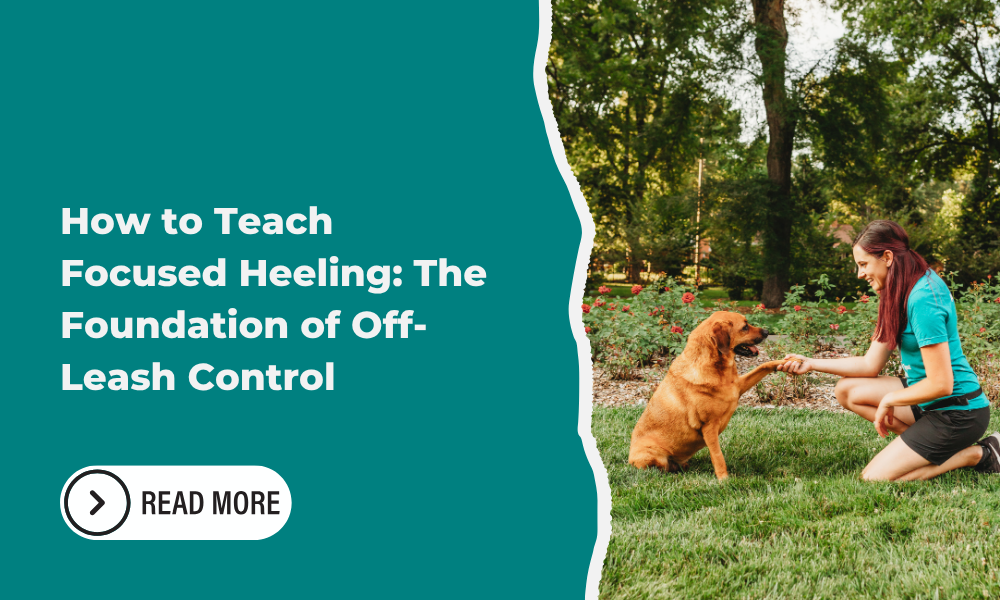
Unlock off-leash control with focused heeling. Learn the difference between loose-leash walking and high-focus heeling, plus step-by-step training tips to build laser-focused eye contact in distracting environments.
Share On: